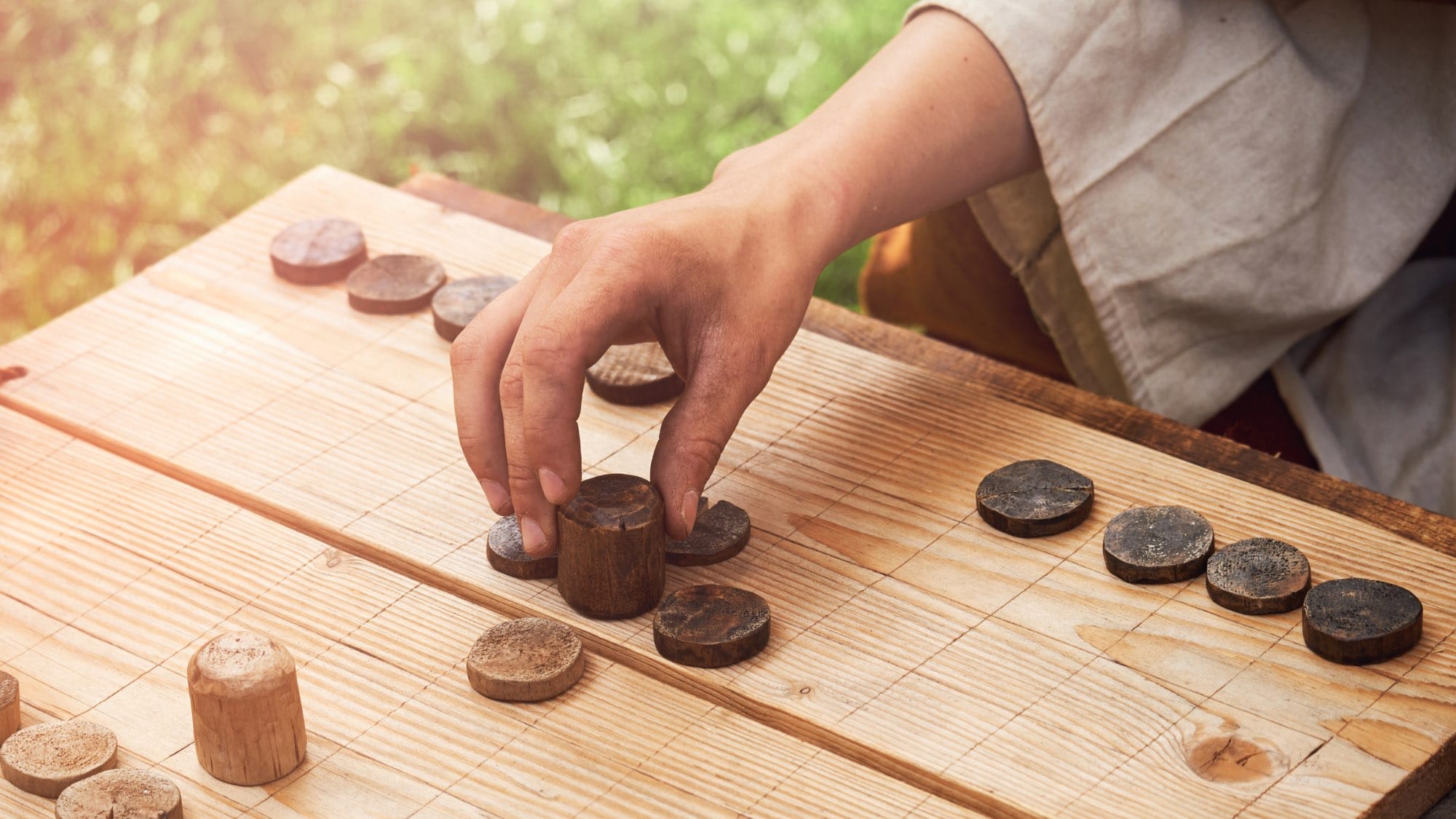
Gambling has been around for thousands of years. One of the earliest forms of gambling was dice games. Ancient dice, made from bones, stones, or wood, have been found in archaeological sites around the world. The oldest known dice date back to 3000 BCE in Mesopotamia, which is now modern-day Iraq. These early dice games were simple but exciting. Players would roll the dice and bet on the outcome, much like today.
Gambling in Ancient Rome
The Romans loved to gamble. They bet on everything from chariot races to gladiator fights. Dice games were especially popular. Roman dice, called “tesserae,” were similar to the dice we use today. Romans also played a game called “Tabula,” which is considered an early form of backgammon. Gambling was so common that Roman laws were made to control it. However, these laws were often ignored, and gambling continued to thrive.
Gambling in Ancient China
China has a rich history of gambling. Ancient Chinese people played a game called “Liubo,” which involved a board and pieces, and it was popular during the Han Dynasty (206 BCE–220 CE). They also invented playing cards around the 9th century. These cards were used for various games and quickly spread to other parts of the world. The Chinese also played lottery games, with proceeds often used to fund government projects.
Ancient Egyptian Gambling
The Egyptians also enjoyed gambling. Archaeologists have found evidence of board games and dice in ancient Egyptian tombs. One popular game was “Senet,” which involved moving pieces across a board. It is believed that Egyptians bet on the outcome of these games. Gambling was seen as a way to gain favour with the gods and ensure a good afterlife.
Gambling in Ancient Greece
The Greeks were known for their love of games and competitions. They played dice games and a game called “Petteia,” which was similar to chess. Gambling was an important part of Greek festivals and celebrations. The Greeks believed that the gods influenced the outcome of games, making gambling both a fun and spiritual activity.
Ancient Indian Gambling
In ancient India, gambling was a popular pastime. The epic Mahabharata, written around 400 BCE, tells the story of a great war started by a gambling dispute. Indians played dice games and a game called “Chaturanga,” which is considered an early form of chess. Gambling was both a social activity and a way to test one’s luck and strategy.
Modern Connections
Today, gambling has evolved, but its roots can still be seen in modern games. Online casinos like Bizzo Casino offer a wide range of games that our ancestors would recognize. Dice games, card games, and board games have all been adapted for the digital age. Players can now enjoy these ancient pastimes from the comfort of their homes.
Gambling in Religious Contexts
In many ancient cultures, gambling had a religious or spiritual aspect. People believed that the gods controlled the outcome of games. Winning was seen as a sign of divine favour. For example, in ancient Rome, gamblers would pray to the gods before rolling the dice. In ancient China, people believed that lottery games could predict the future.
Gambling as Social Activity
Gambling was not just about winning money or goods; it was also a social activity. People gathered to play games, share stories, and enjoy each other’s company. This social aspect of gambling is still important today. Whether at a physical casino or online at Bizzo Casino, players can connect with others and share the excitement of the game.
Gambling has a long and fascinating history. From ancient dice games to modern online casinos, the thrill of betting and winning has always been part of human culture. Our ancestors gambled for fun, for profit, and even for spiritual reasons. Today, we continue this tradition in new and exciting ways, always looking for that next big win.