Fan polls and social media play a big role in shaping opinions. Their impact goes beyond just talking; it also affects movie betting markets. Knowing how these factors influence predictions helps us understand changes in the industry so we can make better choices at 22Bet.
The Rise of Social Media Influence
Social media sites have changed how information spreads and how we gauge public opinion. For movies, these platforms are not just for fan interaction; they also predict a film’s success. Excited tweets, trending hashtags, and viral posts can shift public perception. They have the power to create buzz about upcoming films.
In movie betting markets, social media activity shows how the audience feels. A rise in positive comments or trending hashtags can make bettors rethink their predictions and odds. When a film gets a lot of social media support, it often leads to more interest and potentially better box office performance. Bettors watch these trends closely and adjust their predictions based on the changing public mood.
Fan Polls: A Direct Measure of Public Sentiment
Fan polls provide a clear picture of how audiences feel about a film. Conducted by websites, fan clubs, or industry experts, these polls show whether people are excited or positive about a movie. When polls show strong support, it can greatly affect betting markets.
Bookmakers use poll results to change their odds and predictions. If a film is doing well in polls, its chances of winning awards or doing well at the box office may improve. Bettors notice these trends and may adjust their bets based on the film’s popularity.
Impact on Betting Odds and Market Predictions
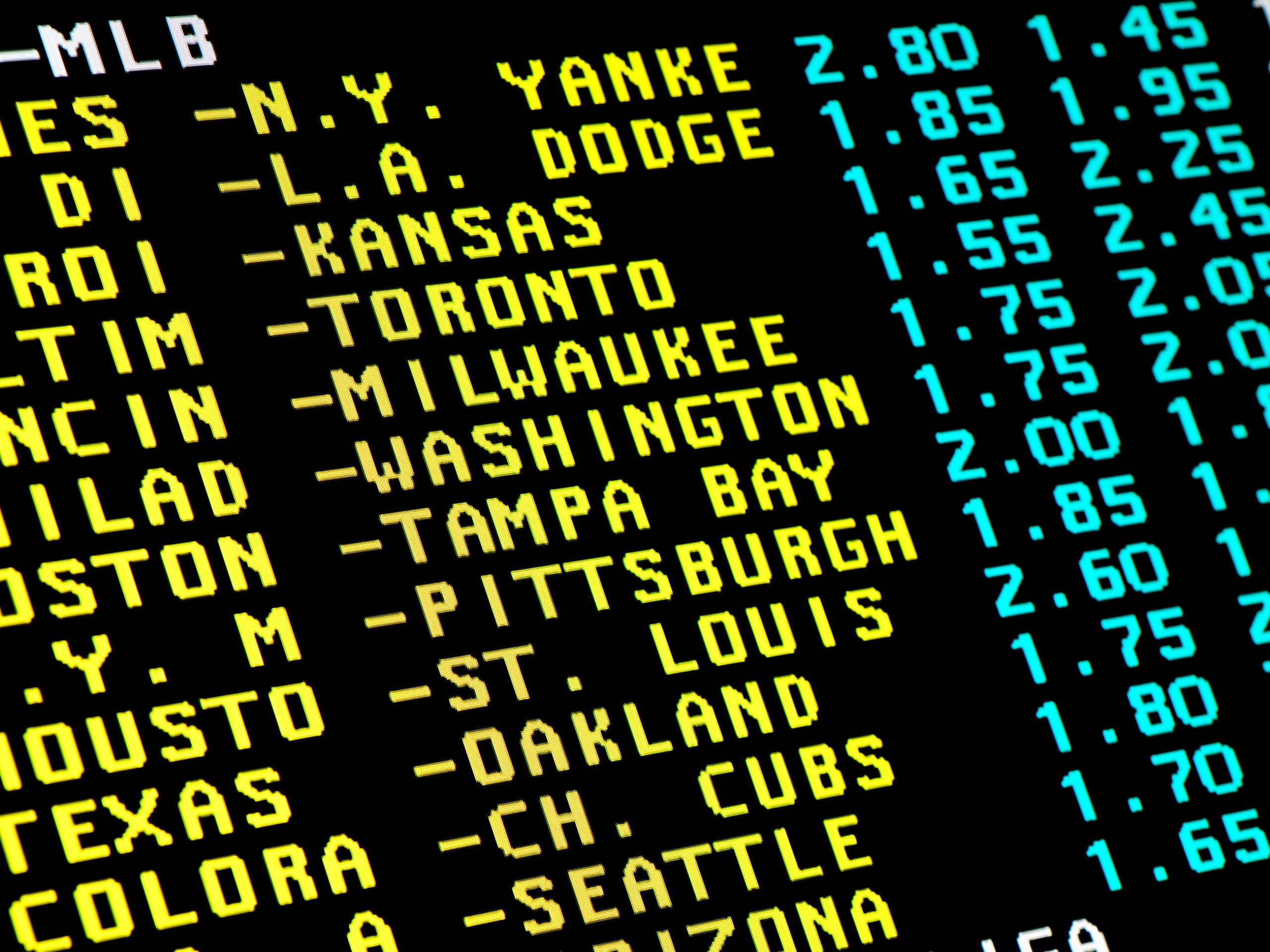
Betting markets react quickly to changes in public opinion. Social media trends and fan poll results are key for both bettors and bookies to predict a film’s success. When a movie gains attention online or scores well in polls, it often leads to changes in betting odds.
For example, if a film’s trailer becomes popular or a well-known critic praises it on social media, betting activity usually increases. Bettors may wager more money on the film to win awards or do well at the box office, which shifts the odds. Bookmakers then adjust the odds to manage the increased betting and potential risks. This adjustment shows that the film has growing public interest and might exceed initial expectations.
The Feedback Loop Between Fans and Betting Markets
Fan sentiment and betting markets influence each other in a continuous loop. Social media and fan polls can change betting odds, and changes in those odds can impact public opinion. If bettors think a film is a strong contender due to fan excitement, this can increase social media buzz and boost poll results. It can make the film seem even stronger.
This loop means that betting markets and public opinion are always interacting. Positive reviews or social media mentions can lead to more betting, which reinforces the film’s success. On the other hand, negative sentiment can decrease betting confidence and lower the film’s odds.
Challenges and Opportunities for Bettors
Social media and fan polls provide useful insights but can also be tricky for bettors. Trends on social media can change quickly, and fan polls might not always represent everyone’s opinion. Betting only based on these sources can be risky if the excitement doesn’t match the actual outcome.
Smart bettors can use this information wisely. By watching social media trends and fan polls closely, they can spot emerging patterns and make better predictions. Mixing these insights with traditional betting methods can improve their chances of winning.
Conclusion
Fan polls and social media trends now play a key role in movie betting. They provide insights into public opinions, which greatly affect predictions and betting odds. The way fan opinions and betting markets interact means that social media and poll results can shape betting strategies.
As social media’s influence grows, it will likely have an even bigger impact on movie betting. By understanding this link, bettors can better navigate the market and make smarter decisions based on changing public opinions.